3.11 – 3.14.1971 – Lennie’s on the Turnpike

The Miles Davis sextet began 1971 much in the same way it closed out the previous year: with a steady, albeit scarcely documented run of live performances. And though 1971 saw the release of the Tribute to Jack Johnson LP in February and Live/Evil in November, Miles made no studio recordings for the first time since 1964, and there’s just one official live release documenting this pivotal year.

Despite the paltry “official” record, there remains plenty of evidence of the exceptional music Miles’ live band produced in 1971, beginning with these audience recordings from Lennie’s on the Turnpike in Peabody, Massachusets.

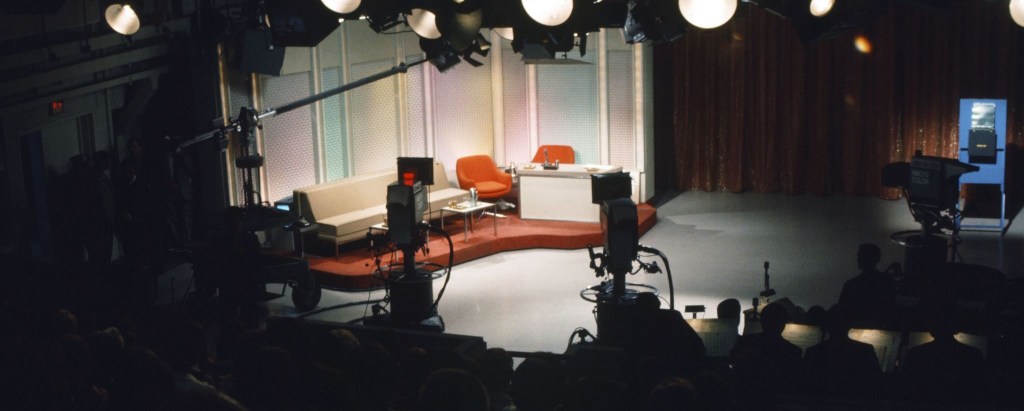
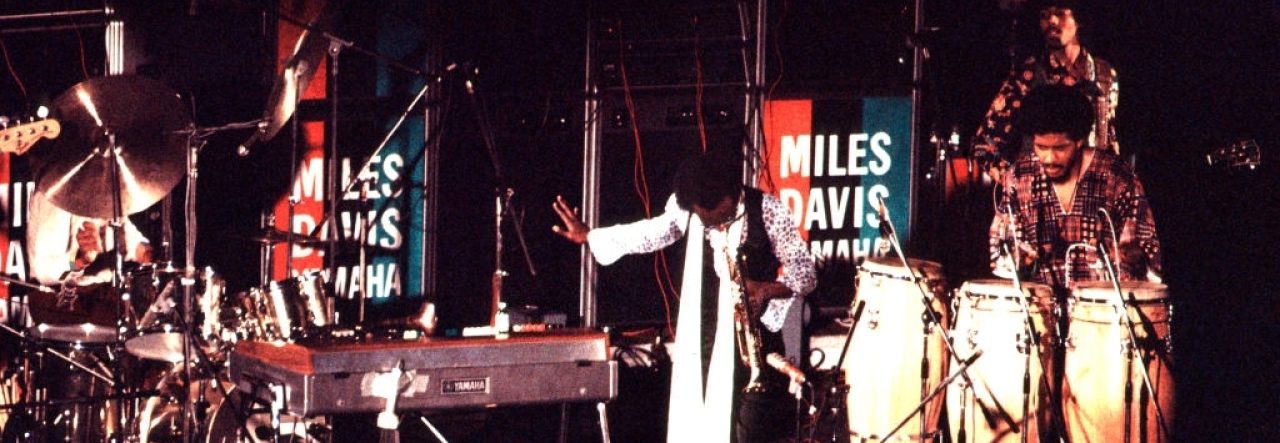
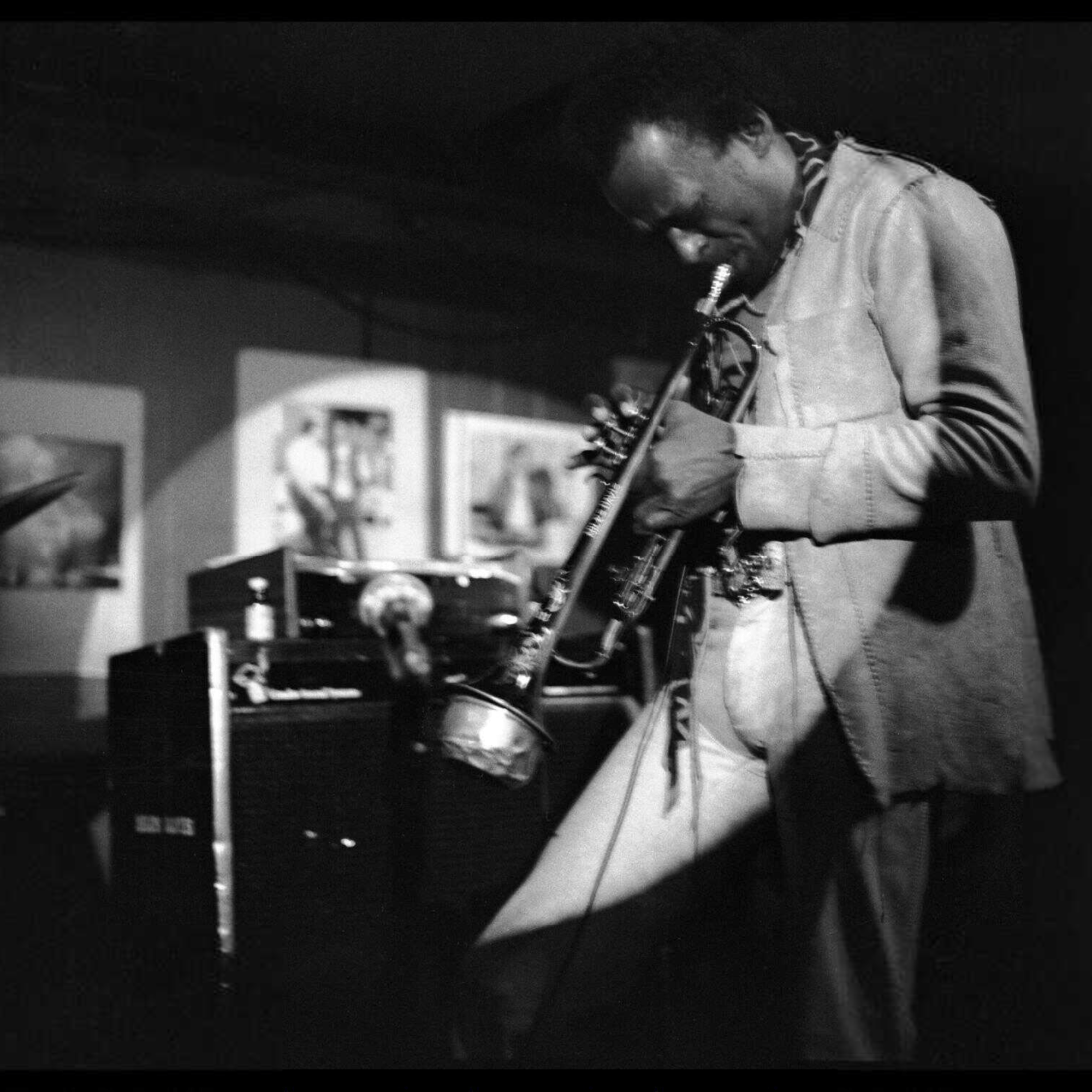
Situated on Route 1 north of Boston, the original Lennie’s on the Turnpike was a fairly remote but well-respected club that hosted live music from 1959 until it was gutted by a fire in May of 1971. Owner Lennie Sogoloff opened a new location shortly after but eventually closed up shop in September 1972. The club hosted the sextet for a pair of residencies in 1971: a seven-night run from January 11 to 17 (photos from those dates above), and a series of four shows on March 11-14, from which these recordings originate.

Lennie’s original location in 1972, post-fire
Continue reading “3.11 – 3.14.1971 – Lennie’s on the Turnpike”

12.16 – 12.19.1970 The Cellar Door

The Miles Davis sextet maintained a steady touring schedule throughout the final three months of 1970, morphing from a relatively loose, borderline feral funk experiment into a taught road-tested ensemble with each successive gig. The scant amount of circulating tapes from this period enforce just how rapid the band’s evolution was. And though there were some truly incredible gigs along the way, the sextet’s four-night stand at the Cellar Door in Washington DC feels very much like a culmination of the journey.

Despite appearing in heavily edited form on the 1971 Live/Evil LP, and in a more comprehensive six-disc Cellar Door Sessions box in 2006, the released material is far from a complete document of the Cellar Door residency. By most accounts, the band performed a total of 12 sets (three per night), 10 of which Columbia recorded, and just six of those sets were released on the Cellar Door box. 352 minutes of material is a feast by any measure, but you can’t help but salivate over the remaining four unreleased/uncirculated sets of music.

The Cellar Door today – now a Starbucks
Continue reading “12.16 – 12.19.1970 The Cellar Door”

11.15.1970 Philadelphia

The Miles Davis sextet spent much of November 1970 playing university fieldhouses, college gymnasiums, and other venues unknown throughout the northeastern US. This stop at Philadelphia’s Electric Factory produced one of only two tapes of the band during this stretch, as well as the only known footage documenting the “Cellar Door” lineup of Jarrett/Bartz/Henderson/DeJohnette/Airto. While the B&W video is curiously edited to resequence the set, it includes nearly the entire performance (20 more minutes of music than the circulating audiotape!).

Though the band is just a month removed from its run at the Fillmore West in mid-October, the rate of growth evident in this performance is remarkable, with the core of Henderson/Jarrett/DeJohnette having reached cruising altitude and oozing confidence. And while the intensity seems to put Bartz on his heels throughout the performance, Miles clearly relishes the fight – blowing with endless creativity and power from start to finish.

Continue reading “11.15.1970 Philadelphia”

Late 1970 Unknown Venue

A tape of mystery origin such as this one is a rarity in the Miles Davis electric timeline, but we do have a few clues as to the date and venue. The inclusion of “Untitled Original 701004” suggests the performance predated the November 15th Philadelphia gig, by which point the song had been dropped from the setlist, while the addition of “What I Say” indicates it likely followed the mid-October Fillmore West shows, none of which featured the tune. Paired with the modest crowd and the gymnasium-like acoustics, my best guess is that this tape is from a gig at a small Northeastern US college in early November.

Conjecture aside, one thing is certain: this is the first tape of the Michael Henderson/Keith Jarrett era that could go toe-to-toe with the Lost Quintet. And at a whopping 109 minutes, it’s the longest recorded set of Miles’ electric period.

There are so many things that make this tape exceptional. Fidelity wise, the mix is surprisingly balanced for an audience tape, and the band seems to relish the venue’s cavernous echo, with DeJohnette sounding downright Bonham-esque on occasion. It also catches this lineup sounding for the first time like a cohesive unit. Miles lets the songs unfold and run their course, he’s in no hurry to cue the next tune, and there are no lulls or awkward readjustments in the segues – the set simply flows with a trance-inducing quality the band would master in the spring of 1973, but never with the intensity heard here.

Featuring nearly every song in the sextet’s repertoire from the fall of 1970 through winter of 1971 (only “Yesternow” is absent), this marathon set is a universe in itself. An absolutely exceptional tape.

Get it here
1. Directions (12:50)
2. Honky Tonk (20:03)
3. Untitled Original 701004* (11:02)
4. Sanctuary (2:32)
5. It’s About That Time (16:05)
6. Funky Tonk (20:48)
7. Bitches Brew (11:04)
8. What I Say** (14:53)
9. The Theme (1:00)

*Final recorded performance
**First recorded performance

10.15 – 10.18.1970 Fillmore West

The Miles Davis septet returned to Bill Graham’s Fillmore West in October 1970 a dramatically different band than the one that shared a 4-night stand with the Grateful Dead earlier in the year. Gone was the effects-laden headiness, unpredictability, and unrelenting intensity that defined those April shows, replaced here by four identical sets built around dense, repetitive grooves. The resulting performances were likely a bit easier for the Fillmore audience to digest, and judging from their reaction on the tapes, the crowd certainly dug it.

In a typically eccentric Fillmore pairing, the septet shared the bill with Leon Russell, with support from Seatrain and Hammer. Not exactly the time traveler destination of a Miles Davis/Grateful Dead matchup, but a marked improvement from opening for Steve Miller. Curiously, there are no known photos from the October 15-18 shows, and tapes from only three of the four nights are in circulation – none of them complete. The fidelity of the October 15th tape suggests the shows were professionally taped, so a future Bootleg Series release may not be out of the question.

Continue reading “10.15 – 10.18.1970 Fillmore West”

10.1970 The Tonight Show

Much like the band’s blistering appearance on the Dick Cavett show a few months prior, the exact recording date of this NBC Tonight Show performance is unknown. Given the septet performed at UCLA on October 10th, it’s safe to assume they recorded this appearance around that date; it officially aired on October 30th.

And like that appearance on the Cavett show, Miles’ intent seemed to confound the American television viewing public. Following an enthusiastic intro from guest host Bill Cosby, in which he fawns over Bitches Brew and promotes the then soon-to-be-released Miles Davis at Fillmore, the septet throws down a bizarre 8 1/2-minute medley of “Directions” > “Honky Tonk” (a pair of tunes that would remain unreleased until 1981 and 1974 respectively).

Continue reading “10.1970 The Tonight Show”

10.4.1970 Seattle

This audience tape from the Seattle Jazz Spectacular captures the band three days after Miles attended the funeral of Jimi Hendrix on October 1st. The date was also a bit of a reunion for Miles and a couple of former sidemen, with the Bill Evans trio opening the Sunday night gig and Herbie Hancock’s proto-Mwandishi sextet closing the show.

Scene report from the Northwest Passage Oct. 12-26, 1970.

Following the band’s triumphant performance at the Isle of Wight, Chick Corea and Dave Holland parted ways with Miles to form the avant garde quartet Circle with drummer Barry Altschul and reed player Anthony Braxton. Holland and Corea reunited with Jack DeJohnette and Steve Grossman to record the remarkable Japan-only LP The Sun in mid-September, Corea would join the On the Corner sessions in early 1972, and DeJohnette, Corea, Holland, and Keith Jarrett continue to perform together in various configurations to this day – proof that musicians never truly leave Miles’ orbit.

New to Miles’ live universe was 19 year-old Michael Henderson, who formally replaced Holland beginning with a September 13th gig at the Boston Tea Party – there’s no recording of that show, but Henderson wrapped a tour with Stevie Wonder’s live band on September 6th, and it’s assumed he performed in Boston. Henderson joined a few of Miles’ early 1970 studio dates for the Jack Johnson LP, so “Right Off”, “Yesternow” and “Honky Tonk” from those sessions were added to the live rotation upon his arrival.

Meanwhile, Jarrett took over the Fender Rhodes following Corea’s departure. Steadfast in his contempt for electric keyboards, Jarrett remarked that he hated the Rhodes and Fender Contempo organ equally, so he simply arranged both into a “V” formation, added a wah pedal to the organ, and played them simultaneously in an effort to create a singular instrument.

Juma Santos, a member of the previous year’s Bitches Brew sessions, also began a brief stint with the group – adding congas and auxiliary percussion alongside Arito’s barrage of heady accouterments.

And with that, the next phase of Miles’ electric period had begun.

Continue reading “10.4.1970 Seattle”